Community Over Commodity

Fernandes

Caberto

For Kauaʻi County Council

About

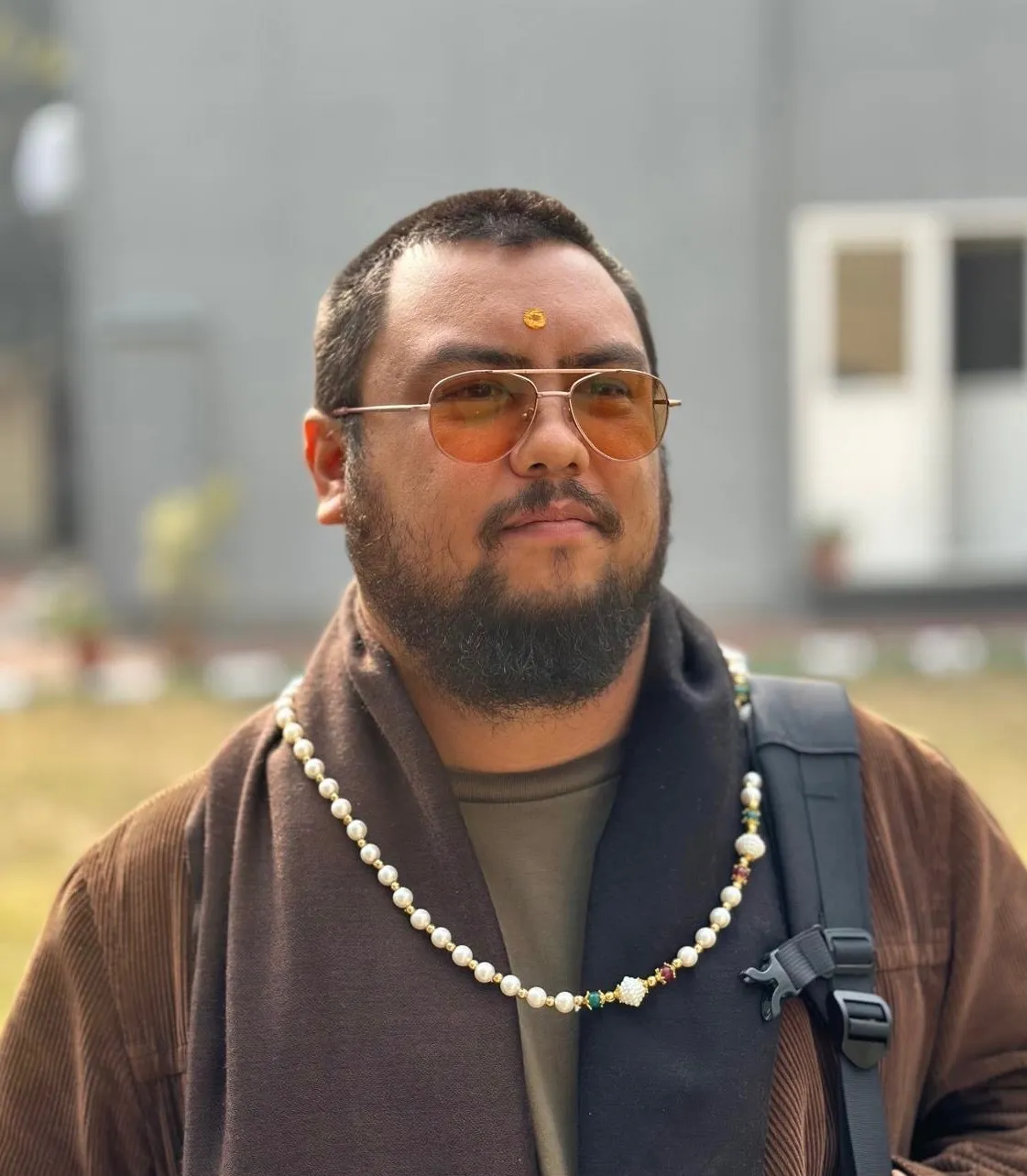
Meet Trykie

Portrait of Caberto “Trykie” Fernandes

I was born in Līhuʻe in 1995 and was raised by my mother, Dera, and my grandparents, John and Sue. I am part-Hawaiian, Portuguese, and Filipino. Growing up, my family liked to joke that I turned 80 years old on my 8th birthday. What can I say, I grew up in a household filled with the music of Bob Dylan and the Beatles. In sixth grade, I was gifted my first LP player and began collecting vinyl records. My family instilled in me ‘Kaumakani-plantation-day’ values of compassion and hard work from a very young age.

After graduating from Kauaʻi High School in 2013, I attended UH Mānoa before transferring to Arizona State University, where I earned a BA in Religious Studies with a minor in Philosophy (metaphysics). After returning home to Kauaʻi, I worked for the Hawaiʻi State Judiciary as a judicial clerk with Drug Court. During that time, I enrolled at the Graduate Theological Union in Berkeley, CA, to pursue graduate studies in Religion.

My academic interests initially centered on death studies (thanatology) and Hinduism. However, as I began developing my master’s thesis I realized that I should use this opportunity to address issues facing my own community, something that’s relevant and applicable, something I confront on a daily basis. My thesis research focuses on the desecration of sacred land in Hawaiʻi and India. A large part of my thesis argues that ancient Hawaiian religion, referred to by David Malo as Hoʻomana, was informed by an eco-epistemology: a system of knowledge shaped through direct relationships with land and water1. And furthermore, that outside economic interests and influence places Hawaiian values and culturally sacred places in immediate danger2. I expect to graduate with my MA following the successful defense of my thesis in the spring of 2027.

After leaving the Judiciary, I became a funeral director here on Kauaʻi, a profession I worked in for a few years. In that role I had the privilege of serving hundreds of local families during some of the most difficult moments of their lives. Each new family I met reminded me of the fullness of all life, and how much of a gift every day truly is. Helping people navigate the death care process has been one of the greatest honors of my life. These experiences, reinforced by my academic background, have shaped my desire to become more involved in protecting what matters most. I believe we should always stand for community over commodity.

I live in Līhuʻe with my partner Marshall. We have a growing collection of houseplants, enjoy garage sale-ing and thrifting, playing and listening to music, and spending quality time with our friends and family.

Values

A principle-based approach:

A Familial Bond with ʻĀina

“In the moʻolelo of Papa and Wākea, ‘earth mother’ and ‘sky father,’ our islands were born: Hawaiʻi, Maui, Oʻahu, Kauaʻi, and Niʻihau. From their human offspring came the taro plant and from the taro came the Hawaiian people2.”

Hawaiians have a familial relationship to land which is the foundation of their strong sense of community and stewardship.

Treat Kauaʻi as ʻOhana

Dr. Trask cautioned against what she called the “cultural prostitution” of Hawaiʻi, when culture becomes a product for consumption2. Her warning remains as relevant as it ever was. We must treat Kauaʻi as our ʻohana.

Kauaʻi is tired. Her beaches are trampled, her waters are polluted, her land penetrated, her people relocated. Kauaʻi is not an amusement park, a playground for the rich. She is being exploited.

Empathy as Foundation

My years as a funeral director taught me more about life than any book or classroom ever could. Confronting the reality of death with grieving families was profoundly difficult. But over time, I learned these critical insights: when other people can sense that you are being your genuine self, it eases tension, and when other people feel heard, they often listen back more intently.

Empathy is like the rebar inside concrete. You never see it, but it's what keeps everything from falling apart under pressure.

Platform

Local-first priorities:

1.

Our People

  • Prioritize housing for residents over the expansion of vacation rentals and hotels
  • The University of Hawaiʻi Economic Research Organization (UHERO) reports that Kauaʻi has the highest short-term rental (STR) rate in Hawaiʻi at 14%; support stricter STR regulations3
  • Support tax policies that favor owner-occupied homes and encourage long-term rentals
  • Pursue state and federal assistance to help homeowners meet the 2050 cesspool conversion mandate; advocate for funding through the Green Fee4
2.

Our ʻĀina

  • Strengthen stewardship programs like Hui Makaʻāinana o Makana in Hāʻena5
  • Advocate for the Kauaʻi Invasive Species Committee (KISC) and the resources needed to respond rapidly to invasive species threats6
  • Protect culturally significant and sacred places for future generations
  • Upgrade waste management and redirect construction materials to the Mahipapa biomass generator
3.

Our Community

  • Confront the impact of overtourism by seeking funding from the Green Fee to improve infrastructure and implement paid parking for tourists (always free for Kauaʻi residents)
  • Become less dependent on imports, invest in Native Hawaiian agricultural knowledge, and incentivize local businesses to purchase local produce
  • Modernize our electrical grid by converting overhead power lines to underground
  • Form an interreligious forum to advocate for interfaith harmony between Hawaiian cultural practitioners and the many religious organizations here

Get involved

To live up to my own values, this campaign will not accept donations from corporations and special interests.

If you’d like to support this campaign or have any questions, follow me on social media or reach out to connect.

Mahalo! Hope to see you around town.